
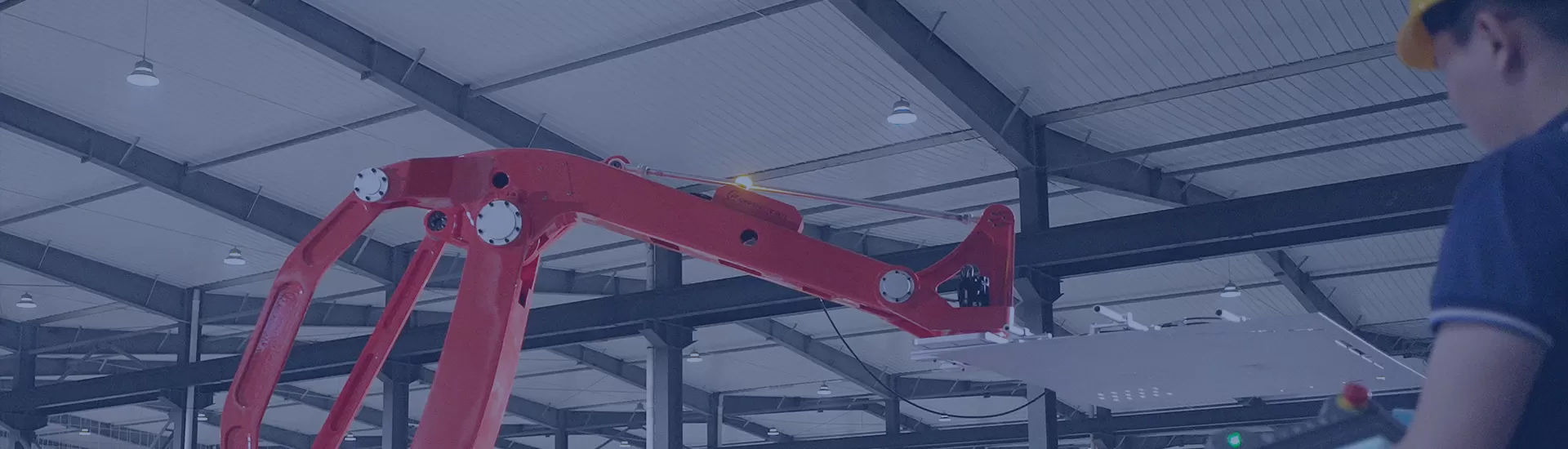
Introduction to robotic arm production lines
Understanding the Importance of Automation
In the modern manufacturing environment, robotic arm production lines play a pivotal role in enhancing efficiency and quality control. Integrating vision systems into these setups enables automatic defect detection, ensuring products meet quality standards.
Step-by-Step Guide to Integration
Step 1: Assess Your Current Production Line
Before integration, evaluate your existing robotic systems and workflows.
Identify the type of defects commonly encountered.
Assess the speed and accuracy of your current inspection processes.
Review the layout of your production line.
Step 2: Select the Appropriate Vision System
Choose a vision system that aligns with your defect detection needs.
Consider factors such as resolution, frame rate, and lighting compatibility.
Research vendors and read reviews on various vision systems.
Test different systems to see which integrates best with your swing arm robot.
Step 3: Integrate the Vision System with the Swing Arm Robot
Follow these steps to connect the vision system effectively.
Mount the camera securely on the robot arm, ensuring optimal viewing angles.
Use appropriate software to create communication protocols between the robot and vision system.
Adjust the robot\'s programming to accommodate visual feedback data.
Step 4: Calibrate the System
Calibration is crucial for accurate defect detection.
Run tests using sample products with known defects.
Adjust vision parameters based on test results to enhance detection accuracy.
Step 5: Implement a Testing Phase
Before full-scale deployment, conduct thorough testing.
Simulate real production scenarios to evaluate system performance.
Gather data on detection rates and false positives/negatives.
Required Tools for Implementation
You will need the following tools for successful integration:
Swing arm robot with programming capabilities
High-resolution camera suitable for industrial applications
Lighting equipment for optimal image capture
Vision software for image analysis
Communication interfaces (e.g., Ethernet cables, wireless modules)
Common Mistakes to Avoid
While integrating vision systems, consider these common pitfalls:
Neglecting to assess the existing production line\'s capabilities.
Choosing a vision system based solely on price rather than performance.
Failing to properly calibrate the system after installation.
Overlooking the importance of a thorough testing phase before full deployment.
Conclusion: Enhancing Your Robotic Arm Production Line
Final Thoughts on Integration
Integrating vision systems into swing arm robots not only optimizes defect detection but also significantly improves the overall quality of the production line. With careful planning and execution, your facility can leverage this technology to enhance efficiency. At Fuxin Intelligent, we provide the tools and support necessary for successful integration.


