

 Portuguese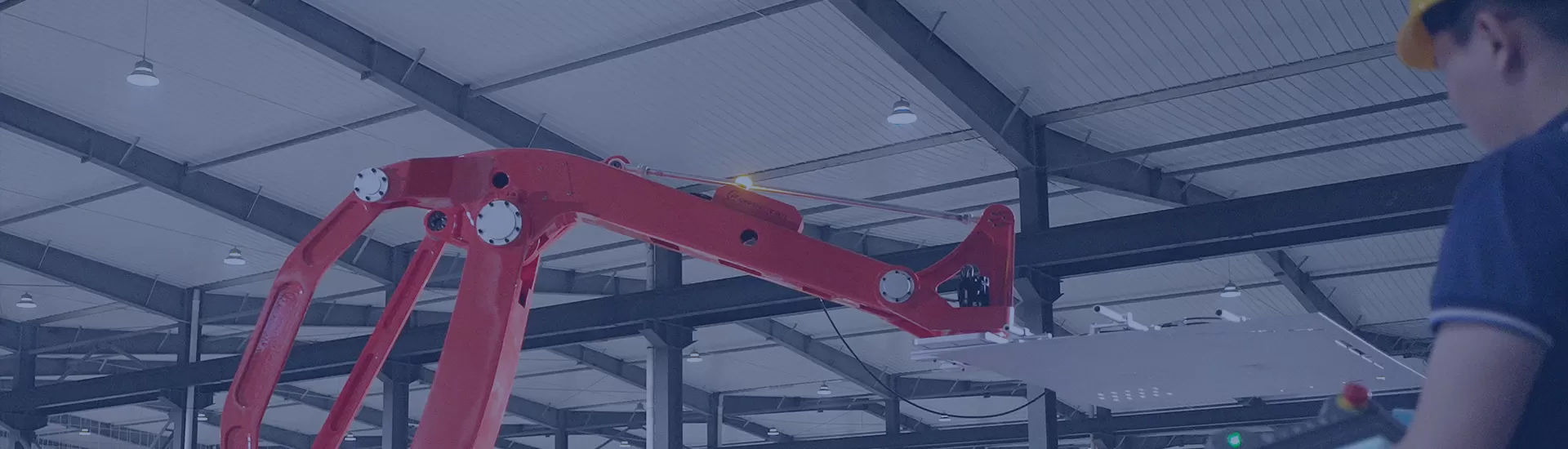
As industries evolve, the demand for efficient production methods has intensified. Automatic stamping manipulators are becoming an integral part of this transformation, enabling manufacturers to enhance productivity while reducing operational costs. In an environment where precision and speed are paramount, companies are increasingly turning to advanced robotic arm production lines. These technologies not only streamline operations but also address key pain points such as increased labor costs, human error, and production delays. With automation, businesses are better equipped to handle fluctuating market demands, improve output quality, and remain competitive.
Definition of Automatic Stamping Manipulators
Automatic stamping manipulators are robotic systems designed to handle and manipulate stamped parts during manufacturing processes. These intelligent devices utilize advanced sensors and programming to execute tasks with high levels of precision and efficiency. Industry terms related to robotic manipulation include kinematics, which studies the motion of these machines, and payload capacity, which defines the maximum weight the manipulator can handle effectively. Understanding these concepts is crucial when evaluating the capabilities of robotic arms in various applications.
Application Scenarios of Robotic Arm Production Lines
Robotic arm production lines are prevalent across various industries, including automotive, electronics, and consumer goods manufacturing. For instance, in the automotive sector, robotic arms are employed to handle metal stamping processes, assembling intricate components with accuracy. According to a report by Markets and Markets, the global industrial robotics market is projected to reach $75.56 billion by 2026, growing at a CAGR of 10.5%. Such statistics underscore the increasing reliance on automation in manufacturing settings.
Another application is in the electronics industry, where robotic arms facilitate the assembly of intricate circuits and components. A 2022 study published by the International Journal of Advances in Engineering Research demonstrated that using robotic arms in electronic component assembly reduced the completion time by 40%, showcasing their efficiency. Moreover, in consumer goods manufacturing, robotic manipulators help automate the packaging process, thereby accelerating production rates and ensuring consistent quality.
Benefits of Using Robotic Arm Production Lines
The advantages of integrating robotic arm production lines into manufacturing are significant:
- Increased Efficiency: These systems can operate at speeds of up to 100 parts per minute, significantly outpacing human workers.
- Enhanced Consistency: A robotic arm guarantees precision within ±0.1 mm, minimizing defects and rework costs.
- Cost Reduction: Companies report up to a 30% decrease in operational costs due to reduced labor needs and minimized errors.
These metrics illustrate that the transition to automated solutions is not just beneficial but essential for modern manufacturing competitiveness.
Next Steps: Enhancing Your Understanding
For those interested in exploring the implementation of automatic stamping manipulators in their operations, it is advisable to read the user guide provided by industry leaders such as Fuxin Intelligent. This guide will offer insights into setup, maintenance, and maximizing the efficiency of your robotic systems.
FAQ
1. What industries benefit most from robotic arm production lines? Industries such as automotive, electronics, and consumer goods experience significant benefits from robotic automation.
2. How does an automatic stamping manipulator improve production rates? The efficiency and speed of these robots can increase production rates by handling multiple tasks simultaneously, reducing bottlenecks.
3. Can robotic arms handle large parts? Yes, depending on their design, many robotic arms have high payload capacities, enabling them to work with large or heavy parts.
4. Where can I find more information about automatic stamping manipulators? For comprehensive information, consider visiting the Fuxin Intelligent website or consulting industry reports from sites such as CoinDesk on automation trends.
In conclusion, adopting robotic arm production lines not only addresses current manufacturing challenges but also positions companies to thrive in the rapidly evolving industrial landscape. As technologies advance, staying informed and prepared to implement these solutions will be vital for future success.


