

 Portuguese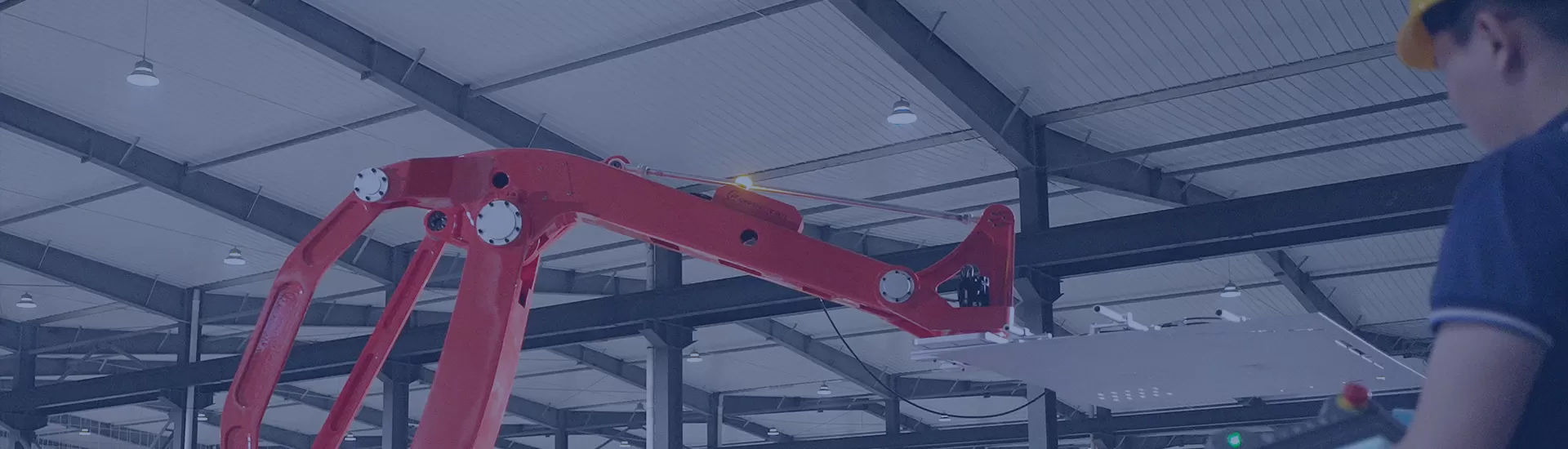
Key Components of Stamping Automation
Stamping automation is built on a series of interconnected systems that work together to complete the entire stamping workflow with minimal human intervention. These core systems typically include robotic arms, automatic transfer systems, die change units, and quality inspection technologies. Each component plays a critical role in ensuring smooth material handling, precise stamping operations, and stable production output.
Robotic Arms in Stamping
Robotic arms are one of the most essential elements in stamping automation. Also known as manipulators, they are responsible for handling, loading, and unloading metal sheets or stamped parts throughout the production line. Depending on application requirements, robotic arms can operate in 2D or 3D motion paths, enabling them to perform highly precise and repetitive tasks with excellent consistency.
A key advantage of robotic arms is their ability to operate safely in hazardous environments where human workers would be exposed to risks such as high-speed press operations or heavy mechanical movements. In high-volume stamping lines, robots can run continuously without fatigue, ensuring stable output and consistent performance.
Modern stamping automation systems include different robot configurations, such as independent manipulators and in-die (in-mold) robots, allowing manufacturers to choose solutions tailored to specific production needs and tooling setups.

Automatic Transfer Systems
Automatic transfer systems are responsible for moving metal sheets or stamped components between different stamping stations without manual intervention. These systems ensure a continuous and synchronized flow of materials across the production line, significantly improving efficiency and reducing downtime.
By eliminating manual handling, transfer systems also reduce the risk of part damage and operational errors. In high-speed production environments, they help prevent bottlenecks and maintain a stable production rhythm.
Equipped with advanced sensors and motion control technology, modern transfer systems can dynamically adjust positioning, speed, and alignment to meet the requirements of different stamping processes. This makes them especially valuable in precision-driven industries such as automotive and electronics manufacturing.
Die Change Systems
Die change systems are designed to streamline the replacement of stamping dies, which is traditionally a time-consuming and labor-intensive process. Automated die change technology enables fast, precise, and safe mold switching with minimal production interruption.
These systems are capable of handling dies with varying sizes and weights, allowing manufacturers to quickly switch between different production tasks. As a result, setup time is significantly reduced, and overall equipment utilization is improved.
In industries such as automotive manufacturing, where multiple product variations are required, automated die change systems provide the flexibility needed to support fast-paced and multi-model production schedules.
Quality Control in Automated Stamping
Modern stamping automation systems integrate real-time quality inspection technologies to ensure that every part meets strict production standards. These systems typically use industrial cameras, sensors, and AI-based detection tools to monitor the stamping process continuously.
They can identify defects such as misalignment, surface flaws, or dimensional deviations during production. When an issue is detected, the system can automatically trigger alerts, adjust parameters, or stop production to prevent further defects.
This real-time inspection capability is essential in high-precision industries, helping manufacturers maintain consistent product quality while reducing scrap rates and rework costs.
High Production Efficiency
One of the primary advantages of stamping automation is the significant improvement in production efficiency. By integrating robotic systems, transfer mechanisms, and automated control technologies, manufacturers can complete stamping operations faster and more consistently than manual processes.
Automated systems are capable of continuous 24/7 operation, eliminating downtime associated with shifts, breaks, or manual fatigue. This allows manufacturers to maximize output and improve overall productivity.
In addition, many modern stamping automation lines incorporate predictive maintenance technologies. These systems monitor equipment conditions in real time and identify potential failures before they occur, reducing unexpected downtime and improving long-term operational stability.
FUXIN Robot’s Stamping Robotic Arm Manipulator
At FUXIN Robot, we provide advanced stamping automation solutions designed to improve efficiency, precision, and safety in modern manufacturing. Our stamping robotic arm manipulators are engineered to automate the loading, unloading, and transfer of materials between stamping stations, helping manufacturers achieve stable, high-speed production with reduced manual intervention.
Whether deployed in high-volume production lines or complex multi-stage stamping processes, our robotic systems significantly enhance operational safety, lower labor dependency, and ensure consistent product quality throughout the entire workflow.
Our product portfolio includes a wide range of automation solutions, such as 2D and 3D robotic arms, in-die (in-mold) manipulators, and connecting rod manipulators. Each system is designed to meet different production requirements, allowing flexible integration into various stamping environments.
By adopting FUXIN Robot’s stamping automation technology, manufacturers engaged in high-frequency and repetitive production can improve competitiveness while maintaining strict safety and efficiency standards.
For more details, visit our product catalog at FUXIN Robot.
FAQs
What is the main benefit of stamping automation?
Stamping automation improves production efficiency by reducing manual labor, enhancing workplace safety, and ensuring stable and consistent product quality.
Can stamping automation be customized for different industries?
Yes. Stamping automation systems, including robotic arms and transfer solutions, can be customized for industries such as automotive, electronics, home appliances, and packaging, depending on specific production requirements.
How do automated systems ensure quality in stamping processes?
Automated stamping systems use integrated sensors, vision systems, and real-time monitoring technologies to detect defects, misalignment, or dimensional errors, ensuring consistent quality throughout production.


