

 Portuguese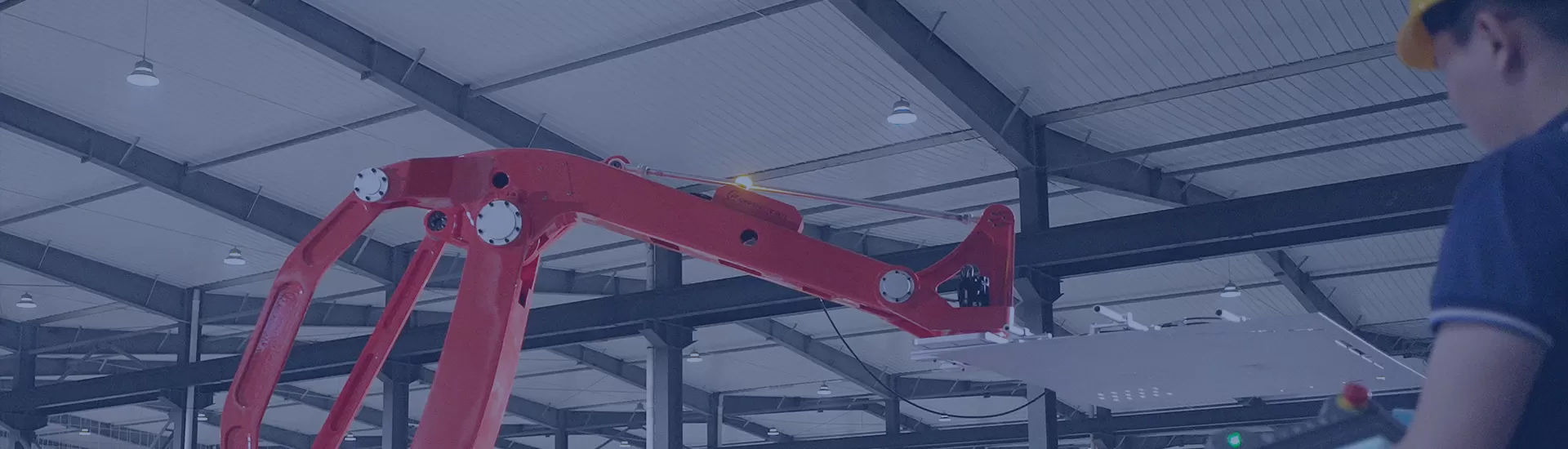
In automotive parts manufacturing, stamping is one of the most important processes for producing brackets, frames, structural reinforcements, seat components, chassis parts, metal covers, and other precision-formed parts. However, many stamping workshops still depend on manual loading and unloading, which can limit production speed, increase labor intensity, and create safety risks around press machines.
This is why more automotive parts manufacturers are upgrading to joint stamping robots for automotive parts. Compared with traditional manual handling or simple transfer equipment, joint stamping robots provide flexible movement, stable positioning, and continuous operation for automatic press loading, unloading, and part transfer.
For factories that want to improve productivity, reduce labor dependence, and build a more stable stamping automation line, a joint stamping robot is a practical and cost-effective solution.

What Are Joint Stamping Robots?
Joint stamping robots are robotic arms designed for stamping press automation. With a multi-joint structure, the robot can move like a human arm, reaching into the press area, picking up metal blanks or semi-finished parts, and transferring them between workstations.
In automotive stamping production, these robots are commonly used for:
· Loading metal sheets or blanks into press machines
· Unloading stamped automotive parts
· Transferring parts between multiple stamping presses
· Picking, placing, stacking, and sorting formed parts
· Connecting stamping machines with conveyors or collection systems
· Reducing manual operation in repetitive and high-risk press areas
Because automotive parts often vary in size, thickness, shape, and forming process, flexibility is extremely important. A joint stamping robot can be customized with suitable grippers, vacuum suction cups, magnetic end effectors, or mechanical clamps to match different stamping parts and production layouts.
Why Automotive Parts Manufacturers Need Stamping Robots
Automotive parts production usually requires high repeatability, stable cycle time, and reliable quality control. Manual operation may work for small batches, but it becomes difficult to maintain efficiency and consistency in continuous production.
A joint stamping robot helps solve several common problems in automotive stamping workshops.
1. Faster Loading and Unloading for Higher Output
In a manual stamping line, operators need to repeatedly pick up blanks, place them into the press, remove stamped parts, and prepare the next cycle. This process is physically demanding and may slow down production as workers become tired.
With a joint stamping robot, loading and unloading can be performed automatically according to a programmed cycle. The robot works continuously with stable speed and accurate movement, helping the press machine maintain a smoother rhythm.
For automotive parts suppliers handling large-volume orders, this means better production capacity and shorter delivery cycles.
2. Better Safety Around Press Machines
Stamping presses involve high pressure, moving dies, sharp metal edges, and repetitive manual handling. These working conditions can create safety risks if operators need to reach near the die area frequently.
By using joint stamping robots for automotive parts, workers can be moved away from the most dangerous area of the press line. The robot handles repetitive material transfer, while operators focus on monitoring, inspection, tooling adjustment, and production management.
This helps create a safer and more modern workshop environment.
3. Stable Quality and Repeatable Positioning
Automotive stamping parts often require accurate placement before forming. If the blank position is unstable, the stamped part may have deformation, scratches, uneven edges, or dimensional errors.
Joint stamping robots offer repeatable motion and accurate positioning, helping ensure that each blank is placed consistently. This is especially important for automotive parts such as:
· Seat frame components
· Brake system brackets
· Door lock parts
· Reinforcement plates
· Chassis stamping parts
· Metal covers and housings
· Battery tray components for electric vehicles
· Small and medium-sized precision stamped parts
By reducing human handling variation, robotic stamping automation supports more consistent product quality.
4. Flexible Integration with Existing Press Lines
One major advantage of joint stamping robots is their flexibility. Many automotive parts factories do not want to replace their entire press line. Instead, they need an automation solution that can be integrated with existing punch presses, hydraulic presses, mechanical presses, transfer presses, or progressive stamping lines.
Joint stamping robots can be configured according to the workshop layout, press height, feeding direction, part size, and cycle requirements. They can work with:
· Single press machines
· Multi-station stamping lines
· Tandem press lines
· Conveyor systems
· Automatic feeding equipment
· Stacking and collection systems
· Safety fences and light curtains
This makes the robot suitable for both new stamping automation projects and upgrades of existing manual lines.
5. Lower Labor Dependence and Long-Term Cost Savings
Labor shortage and rising labor costs are major challenges for many manufacturing plants. In stamping workshops, the work is repetitive, noisy, and physically demanding, which makes it harder to maintain stable staffing.
A joint stamping robot can replace repetitive manual loading and unloading tasks, reducing dependence on multiple operators per shift. Although the initial investment is higher than manual operation, the long-term benefits are clear:
· Reduced labor cost
· Lower accident risk
· More stable production output
· Less downtime caused by operator fatigue
· Better utilization of press machines
· Improved order delivery capability
For automotive parts manufacturers working with OEMs, Tier 1 suppliers, and mass-production projects, these advantages can directly support competitiveness.
Key Features to Look for in Joint Stamping Robots
When selecting joint stamping robots for automotive parts, buyers should evaluate more than just the robot arm. A reliable stamping automation system should be designed around the complete production process.
Important features include:
High-Speed Motion
The robot should match the press cycle time and support fast pick-and-place operation without unstable shaking or positioning errors.
Strong Payload Capacity
Different automotive parts require different payloads. The robot must safely handle the weight of the blank, finished part, and end-of-arm tooling.
Accurate Positioning
Stable repeatability is essential for reducing stamping defects and maintaining consistent part quality.
Custom End Effectors
Vacuum cups, magnetic grippers, pneumatic clamps, and mechanical fixtures should be customized according to part material, shape, and surface condition.
Compact Installation
A compact robot structure helps save workshop space and allows integration beside existing press machines.
Easy Operation and Programming
Operators should be able to adjust movement paths, production parameters, and part programs conveniently for different automotive components.
Safety Protection
A complete system should include safety fences, emergency stops, sensors, interlocks, and other protection devices to support safe production.
Applications in Automotive Parts Stamping
Joint stamping robots are widely used in the production of metal automotive parts, including:
· Automotive seat components
· Brackets and mounting plates
· Door and window system parts
· Chassis and suspension parts
· Motor and battery housing components
· Engine peripheral metal parts
· Reinforcement plates
· Small precision stamping parts
· EV structural stamping components
Whether your factory produces small stamped parts or medium-sized automotive structural components, robotic stamping automation can help improve production efficiency and process stability.
How to Choose the Right Joint Stamping Robot Supplier
A good robot supplier should not only provide equipment, but also understand the stamping process. Before purchasing, buyers should confirm whether the supplier can provide:
· Production line layout design
· Robot model selection
· Payload and reach calculation
· Custom gripper design
· Press machine signal connection
· On-site installation and commissioning
· Operator training
· After-sales support
· Spare parts and maintenance service
For automotive parts manufacturers, a customized solution is usually better than a standard robot alone. The robot, gripper, press machine, control system, and safety protection should work together as one complete automation line.
Upgrade Your Automotive Stamping Line with Joint Stamping Robots
If your stamping workshop is facing low efficiency, unstable manual operation, rising labor cost, or safety concerns, joint stamping robots for automotive parts can be an effective upgrade.
By automating loading, unloading, and part transfer, these robots help automotive parts manufacturers build a faster, safer, and more reliable stamping production line. From single-machine automation to multi-press robotic transfer systems, the right stamping robot solution can improve output, reduce manual work, and support long-term manufacturing growth.
Looking for a customized joint stamping robot solution for your automotive parts production line? Contact our team to discuss your press type, part size, production capacity, and automation requirements. We can help you design a robotic stamping automation system that fits your factory layout and production goals.


